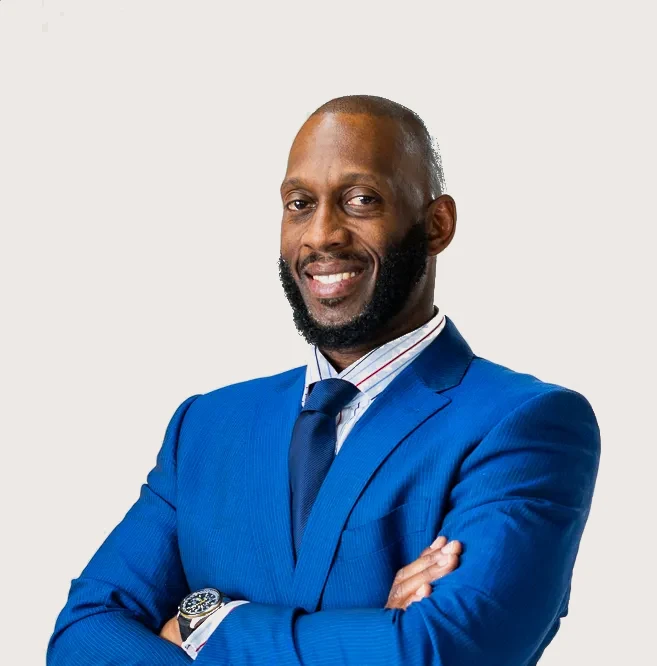
Personal injury litigation is built for settlement. The overwhelming majority of claims resolve before trial, but too many of them resolve late, after costs have climbed, expert evidence has multiplied and the injured person has waited years for an outcome. A well-timed mediation or joint settlement meeting brings that moment forward.
Why a technical mediator
My background is in vehicle engineering: a vehicle technician from 1997, a race-team engineer, and a research engineer on crash structures at Cranfield University. Separately from this practice I run an independent expert witness practice in vehicle engineering. I know how engineering reports are written, where they are strong, and where they are vulnerable.
That is unusual in a mediator, and it matters. In a liability dispute I can follow the reconstruction evidence without a glossary. In a credit hire or vehicle damage claim I understand what the engineer’s report actually says about repair, period and value. Where quantum turns on how the engineering and medical evidence fit together, I can help both sides see what each report does and does not establish. The day moves faster, and the conversation stays honest.
The boundary
Personal injury appointments are accepted only where I have no expert relationship with any party or insurer. I never act as both mediator and expert in the same dispute, or in any matter arising from the same incident, vehicle or parties, and a single conflict register is checked across both practices before every appointment. As mediator I express no view on the engineering or on the merits.
Where I can help
- Road traffic accident claims — liability, contributory negligence, causation and low-velocity impact disputes.
- Credit hire and vehicle damage — need, rate, period and impecuniosity; pre-accident value and repair disputes; portfolio settlements between insurers and hire organisations.
- Serious injury — quantum, care and accommodation, loss of earnings and the structure of settlements, including periodical payments.
- Clinical negligence arising from injury — breach, causation and quantum in claims that follow treatment after an accident.
- Multi-party claims — several defendants or insurers, contribution and apportionment between them.
Mediation or joint settlement meeting
Both are available. A mediation is the fuller process: private sessions with each party, a neutral who carries proposals, and settlement terms signed on the day. A facilitated joint settlement meeting is a structured without-prejudice meeting between the parties’ representatives, chaired to a timetable, with the mediator keeping the day productive and helping to close the gap. Insurers and claimant firms often prefer the second for claims that are close to settlement; the first where positions are entrenched or the evidence is contested.
Working with the parties’ representatives
Injury claims are almost always conducted through solicitors, with insurers and sometimes counsel involved. I work alongside them. Position papers and a bundle are exchanged on a fixed timetable, Part 36 history is understood before the day, and settlement terms, including any consent order and the treatment of costs, are drafted before the meeting closes.